DevSecOps
Posted on December 31, 2024
DevSecOps is a security-focused extension of the DevOps methodology, which integrates security practices into every stage of the software development lifecycle (SDLC). Traditionally, security was treated as a separate function, often addressed at the end of development or during testing. DevSecOps shifts this approach by embedding security from the very beginning, ensuring that vulnerabilities are identified and addressed early on. 
DevSecOps is a security-focused extension of the DevOps methodology, which integrates security practices into every stage of the software development lifecycle (SDLC). Traditionally, security was treated as a separate function, often addressed at the end of development or during testing. DevSecOps shifts this approach by embedding security from the very beginning, ensuring that vulnerabilities are identified and addressed early on.
By incorporating security into the development pipeline, DevSecOps enables continuous monitoring, automated security testing, and real-time threat detection. This proactive approach helps prevent security issues before they become critical, reduces the risk of vulnerabilities in production, and ensures faster delivery without compromising security.
Additionally, DevSecOps fosters a culture of collaboration between development, operations, and security teams, making it easier to identify potential risks and implement effective solutions. As a result, software development becomes more secure, with fewer chances of breaches, data loss, or regulatory compliance failures.
What is DevSecOps?
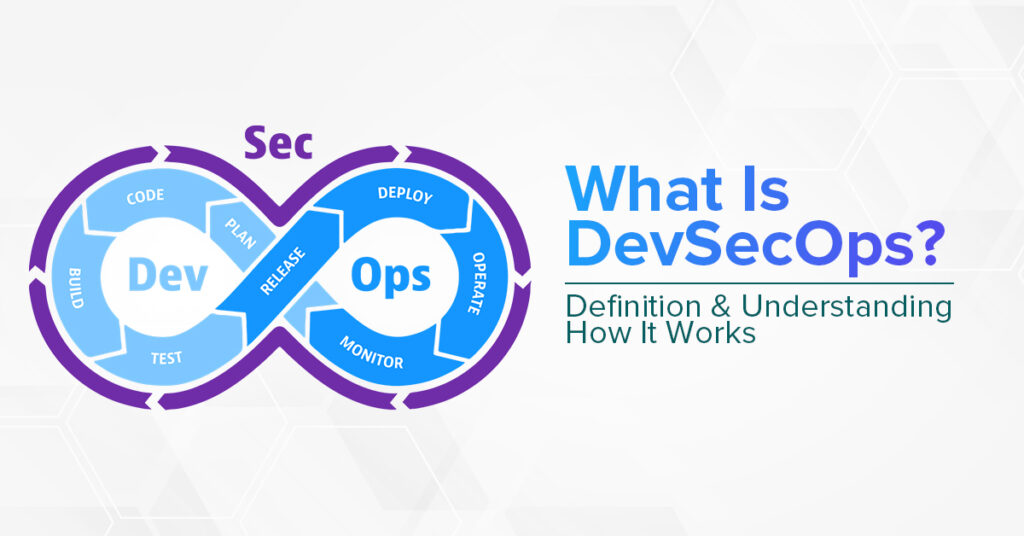
This proactive approach involves continuous security testing, automated checks, and real-time threat detection, allowing teams to identify and fix vulnerabilities early on. By integrating security practices into the DevOps pipeline, DevSecOps aims to deliver secure software faster and more efficiently, reducing the risk of breaches and ensuring compliance throughout the development process.
How DevSecOps Works?
DevSecOps works by integrating security into every phase of the software development lifecycle, from initial planning to post-deployment. This approach combines automated tools, continuous collaboration, and ongoing monitoring to ensure that security is not only addressed but is a constant and active part of the development process. Here's a breakdown of how it functions:
Automated Security Testing
Automated security testing is one of the core components of DevSecOps. Tools like Static Application Security Testing (SAST) and Dynamic Application Security Testing (DAST) are used to continuously scan the code for vulnerabilities during the development process.
- SAST (Static Application Security Testing): This tool analyzes the source code or binary code of an application without executing it. It searches for potential vulnerabilities such as insecure coding practices or coding errors that may lead to security threats. SAST tools can be integrated into the development environment, allowing developers to catch issues as they code, making security part of the development process rather than an afterthought.
- DAST (Dynamic Application Security Testing): Unlike SAST, DAST tests applications while they are running, simulating the behavior of an attacker attempting to exploit vulnerabilities. It helps identify security flaws in the application that only manifest during runtime, such as issues with authentication, data leaks, or session management. These tests are typically run during the testing or staging phases and can also be automated to check for vulnerabilities before the software goes live.
These tools can be integrated into the Continuous Integration/Continuous Deployment (CI/CD) pipeline, so security testing happens continuously and automatically, rather than only at specific points in the project.
Cross-Functional Team Collaboration
A critical aspect of DevSecOps is the collaboration between different teams—developers, security experts, and operations teams. In traditional software development, security is often handled as a separate phase at the end of the development cycle. This can create delays and increase the risk of missing vulnerabilities.
DevSecOps, on the other hand, encourages all team members to work together throughout the software development process. Security experts collaborate with developers during the coding phase, ensuring that security best practices are followed from the start. Operations teams are also involved in securing the deployment environments, and they continue to monitor the system for potential threats after release.
This collaborative culture is essential because it ensures that security is embedded into the entire process, reducing silos between teams and fostering a shared responsibility for maintaining the security of the software.
Continuous Monitoring
Once the software is deployed, security doesn’t stop there. Continuous monitoring is essential in DevSecOps to ensure that new vulnerabilities and threats are identified quickly. DevSecOps tools continuously track the application’s behavior, performance, and network activity even after deployment.
- Real-Time Monitoring: Security tools monitor live systems to detect issues such as unauthorized access, abnormal activity, or data breaches. This is particularly important in an environment where cyber threats are constantly evolving and where new vulnerabilities may not be immediately apparent.
- Incident Response: When a threat is detected, automated alert systems notify the team, allowing them to respond swiftly. Additionally, monitoring tools can offer insights into what areas of the system are being targeted and how to mitigate further risks.
- Patch Management: Continuous monitoring also enables teams to quickly identify vulnerabilities in third-party libraries or dependencies used by the software. In response, patches can be automatically applied or pushed through the CI/CD pipeline to fix any security gaps, ensuring the application remains secure throughout its lifecycle.
In summary, DevSecOps ensures that security is a continuous, integrated process throughout development and after deployment. Through automated security testing, cross-functional team collaboration, and ongoing monitoring, DevSecOps provides a proactive approach to securing software, making it more resilient to threats while maintaining rapid development cycles. This approach enhances the security posture of an organization by ensuring vulnerabilities are identified and addressed early, reducing risks over time.
Why DevSecOps Matters?
DevSecOps matters because it shifts the traditional approach to security in software development, which historically treated security as an afterthought, to one where security is embedded throughout the entire development process. This shift has significant advantages that contribute to faster, more secure software delivery.
Identify Issues Early:
In traditional software development, security concerns are often addressed only in the later stages of the development cycle, which can lead to the discovery of vulnerabilities too late. By integrating security into every stage of the development process, DevSecOps allows for the continuous identification and resolution of security issues. Automated security checks, code scanning, and vulnerability testing are performed early on, preventing vulnerabilities from snowballing into larger, more complex problems. This early intervention is key in avoiding costly fixes later in the project.
Faster Development:
DevSecOps helps streamline the development process by automating security checks, which allows security to be continuously monitored without slowing down the team. In traditional approaches, security testing might be performed manually, resulting in delays and extended release cycles. However, with DevSecOps, automated tools and processes are used to analyze code in real time and immediately flag any security risks, minimizing downtime and reducing bottlenecks. This acceleration enables teams to focus on delivering features faster while ensuring the software remains secure.
Stronger Protection:
In DevSecOps, security doesn’t stop once the software is deployed. Continuous monitoring, automated vulnerability scanning, and real-time security updates provide ongoing protection even after the product is live. This is especially crucial as cyber threats evolve rapidly, and vulnerabilities in the software may not always be immediately apparent. With the integration of monitoring tools and continuous feedback loops, any new security concerns can be addressed quickly, minimizing the risk of data breaches, unauthorized access, or other security threats. This ongoing vigilance ensures that software remains secure throughout its lifecycle, reducing the likelihood of vulnerabilities being exploited.
In summary, DevSecOps is crucial because it empowers development teams to detect and resolve security risks early, maintain a faster development cycle without compromising security, and continually protect software against emerging threats. By embedding security into every phase of development, DevSecOps strengthens the overall integrity of software products while supporting agile, fast-paced delivery.
DevSecOps: Benefits of Doing It Right
DevSecOps provides several key benefits when done right, making software development safer and more efficient. Here’s a breakdown of the main advantages:
Reducing Risks:
DevSecOps helps catch security problems early in the development process. In traditional development, security was usually checked at the end, which could lead to missed vulnerabilities or delays in fixing them. By focusing on security from the start, DevSecOps makes it easier to identify and fix issues before they become serious problems, reducing the chances of a security breach.
Faster Delivery:
DevSecOps speeds up software delivery by using automated tools that check for security issues throughout the development process. Instead of waiting for manual reviews, security tests are done automatically as the software is built. This helps teams release secure software more quickly, without sacrificing security for speed.
Compliance:
DevSecOps ensures that security is built into every stage of development, helping organizations meet regulations and requirements for protecting data (like privacy laws or industry standards). By keeping security in mind from the start, companies can more easily meet these legal requirements, avoiding penalties or violations.
In short, DevSecOps reduces security risks by finding problems early, speeds up delivery with automated tools, and helps businesses stay compliant with regulations. This approach helps create secure, fast, and reliable software.
DevSecOps Tools
DevSecOps tools are essential in making software development more secure, efficient, and reliable. Here’s a breakdown of some of the key tools used in DevSecOps:
GitLab and Jenkins (Automate Development and Deployment):
GitLab and Jenkins are tools that help automate the software development process. They make it easier for developers to write, test, and deploy code quickly and consistently. GitLab and Jenkins automatically manage tasks like building the software, running tests, and pushing updates to production. By automating these steps, teams can focus more on creating new features and addressing security without manual intervention.
SonarQube and Checkmarx (Scan Code for Vulnerabilities):
SonarQube and Checkmarx are tools used to scan the code for security issues. These tools automatically check the software code for potential vulnerabilities, like coding errors or weaknesses that hackers could exploit. By scanning the code during the development process, SonarQube and Checkmarx help catch problems early, making the software more secure before it’s released.
Splunk and Datadog (Continuous Monitoring and Threat Detection):
Splunk and Datadog are tools for monitoring the software after it’s been deployed. They keep track of how the software behaves in real-time, watching for any unusual activities or security threats. If they detect something suspicious, they alert the team so they can take action quickly. Continuous monitoring ensures that even after deployment, the software remains secure and protected from new threats.
In summary, these DevSecOps tools work together to automate, scan, and monitor the software development process, making it easier to build secure software, quickly deploy it, and continuously protect it from potential threats.
DevSecOps: Challenges
DevSecOps, while offering many advantages, also comes with its own set of challenges. Let’s break down some of the key obstacles:
Learning Curve:
One of the first challenges organizations face when adopting DevSecOps is the learning curve associated with new tools and practices. DevSecOps involves integrating security throughout the entire software development lifecycle, which means developers, security experts, and operations teams must become familiar with new technologies and workflows. This can take time, and the teams may initially struggle with adapting to the new tools, making the process slower until they become more comfortable and efficient.
Cultural Shift:
DevSecOps requires a significant shift in mindset for everyone involved. Traditionally, development, security, and operations teams work in silos, with security often handled at the end of the development cycle. With DevSecOps, all teams need to collaborate from the start. This cultural shift can be difficult, as team members may be used to working independently and might resist the idea of working together from day one. Building a culture of trust, open communication, and shared responsibility for security is essential, but it takes time and effort to foster this collaboration.
Enhanced Tool Integration:
DevSecOps relies heavily on using various tools for tasks such as automated testing, vulnerability scanning, and continuous monitoring. However, getting these tools to work seamlessly together can be challenging. In some cases, the tools may not be fully compatible with one another or may require additional configuration. Ensuring that all tools integrate smoothly into the development pipeline can be time-consuming and complex. If the tools don’t work together efficiently, it can cause delays or result in security gaps that might go unnoticed.
In conclusion, while DevSecOps brings a lot of benefits, it requires time, effort, and dedication to overcome these challenges. Organizations must be willing to invest in training, shift their culture to encourage collaboration, and carefully integrate the right tools to make the approach successful.
DevSecOps: The Future
As technology evolves, so do the threats that target it. Cybersecurity will always be a major concern, and as cyber-attacks become more sophisticated, DevSecOps will be an essential part of software development. In the future, DevSecOps will become even more powerful due to advancements in Artificial Intelligence (AI) and machine learning. These technologies will make security tools smarter by helping them detect and respond to threats more quickly and accurately. For example, AI can analyze patterns of attacks and automatically adjust security measures to prevent them, making the process faster and more reliable. This will make DevSecOps even more efficient and proactive in keeping software secure from the start.
Conclusion
The world of software development is changing rapidly, and the way we handle security is a big part of this shift. DevSecOps is leading the way to ensure that software is safe and reliable throughout the entire development process. By integrating security early, automating many tasks, and encouraging teams to work together, DevSecOps makes it easier to deliver secure software faster. As cybersecurity becomes more critical, DevSecOps is helping businesses stay ahead of threats and build software that users can trust. The future of software development is not just about delivering new features; it’s about ensuring that those features are secure from the start, and DevSecOps is making that possible.